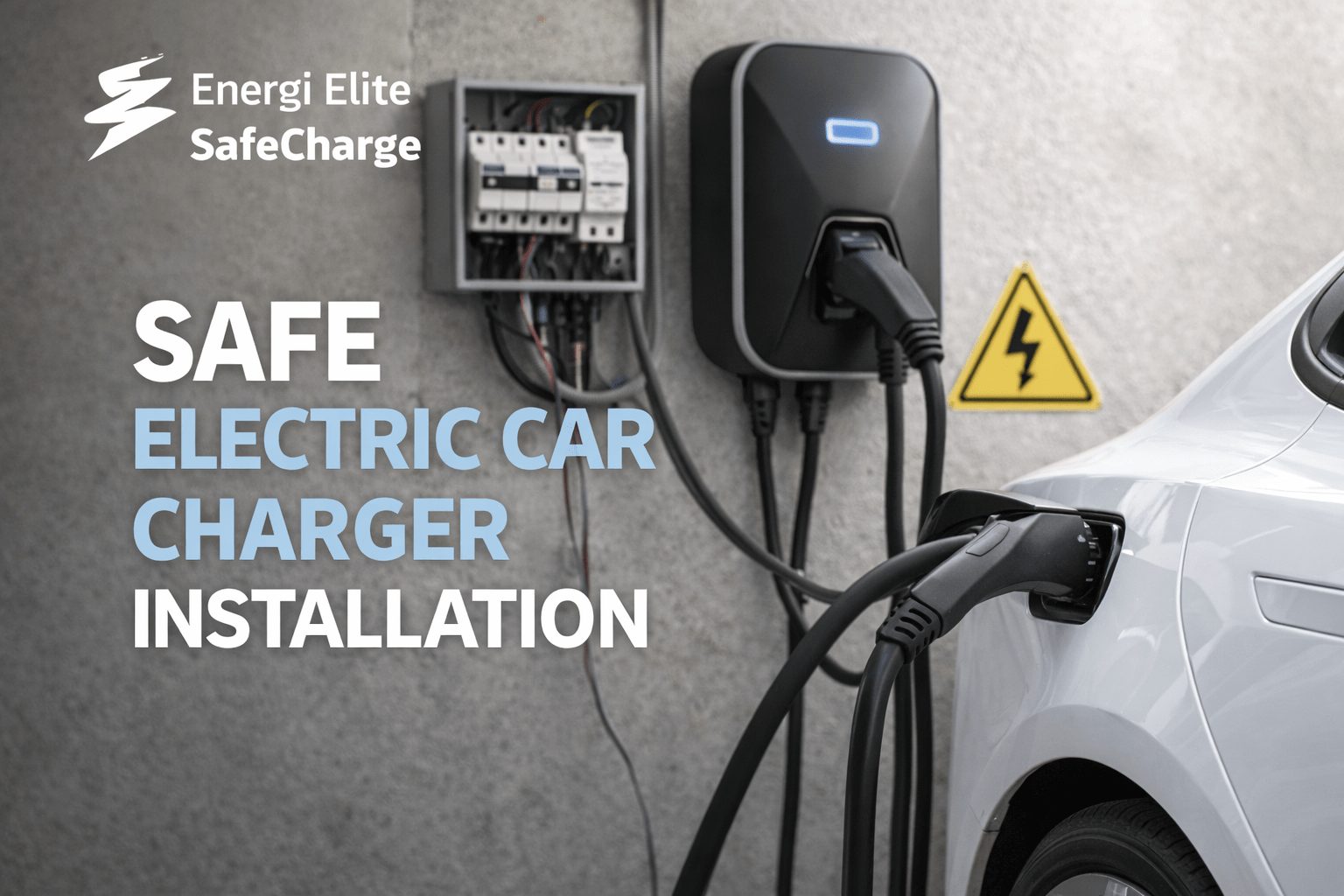
The SafeCharge Standard By Energi Elite
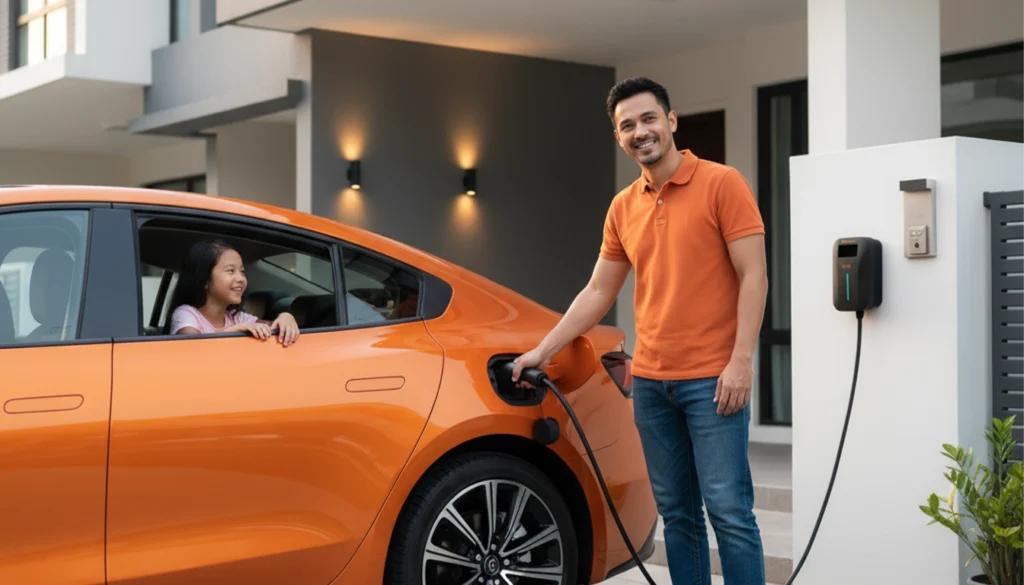
Electric Car Charger Installation in Malaysia: Why Safety Matters More Than Speed or Price
Planning an electric car charger installation in Malaysia? Learn why proper electrical design, certified components, and professional installation standards are critical for long-term EV safety.
Electric vehicles are becoming part of everyday life in Malaysia. But while EV technology is advancing fast, electric car charger installation is still widely misunderstood — and often underestimated.
We’ve spoken to many EV owners who felt confident on day one, only to face problems months later: breakers tripping at night, cables feeling unusually warm, or charging sessions stopping without warning. In nearly every case, the issue wasn’t the car. It wasn’t even the charger.
It was the installation.
This guide explains what electric car charger installation really involves, why safety must come first, and how professional installation protects both your home and your vehicle for years to come.
What Electric Car Charger Installation Really Means
Electric car charger installation is not simply mounting a wallbox and connecting a few wires.
In technical terms, electric car charger installation refers to the electrical design, protection, wiring, testing, and commissioning process required to safely deliver sustained high-current power to an electric vehicle.
Unlike normal household appliances, an EV charger can draw high current continuously for 6 to 10 hours. That level of electrical stress exposes weaknesses that normal devices never reveal.
This is why EV charger installation should be treated as critical home infrastructure — not a quick add-on.
Common Electric Car Charger Installation Problems in Malaysia
Overheating and Melted Cables
One of the most common failures we see is cable overheating. This usually happens when undersized wiring is paired with long charging hours. Over time, insulation degrades, plastic discolors, and in serious cases, cables melt.
Malaysia’s warm climate makes this worse. Heat does not forgive shortcuts.
Tripping Breakers and Interrupted Charging
Another frequent issue is nuisance tripping. Many installers use entry-level breakers that are not designed for sustained EV loads. The result is unstable charging, damaged components, and frustration.
Poor Earth Protection and Hidden Fire Risk
EV chargers require specific earth leakage protection. Without proper RCCB Type A and DC leakage handling, dangerous fault currents may go undetected — increasing fire and shock risk.
These are not charger problems. They are installation problems.
Understanding EV Charger Power Levels: 7kW, 11kW, and 22kW
Choosing the wrong charger size is one of the easiest ways to overload a home electrical system.
- 7kW (Single-Phase): Ideal for most landed homes with overnight charging.
- 11kW (Three-Phase): Faster charging, requires proper load balancing.
- 22kW (Three-Phase): Maximum speed, demands engineering-grade design.
A professional installer verifies your incoming supply, existing household load, and future usage before recommending a charger. Unsafe installers guess. Engineers calculate.
The SafeCharge Standard: How Professional Installation Should Be Done
SafeCharge is not a slogan. It is a structured installation philosophy applied to every project.
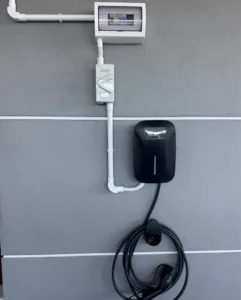
1. Correct Electrical Design Before Installation
Every installation begins with phase verification, load assessment, correct charger sizing, and cable routing planning. Skipping this step is the root cause of most EV charging failures.
2. Engineering-Grade Protection Components
Professional electric car charger installation uses components selected for fault tolerance, not price:
- MCB 40A C-Curve 10kA
- RCCB Type A 30mA (Japan import)
- SIRIM-certified isolator switch
- 6mm² Mega cable (up to 10m included)
3. Proper Cable Sizing and Heat Management
Cable sizing is calculated based on charger current, phase type, cable length, and ambient temperature. There is no “close enough” when safety is involved.
4. Clean, Verifiable Workmanship
Installations are neatly routed, securely terminated, tested, and explained to the homeowner. Optional works are disclosed upfront — not added later as surprises.
5. Testing, Commissioning, and Accountability
Every electric car charger installation includes functional testing and real-world charging confirmation. Payment is only made after successful completion.
Why Certified Chargers Matter More Than Price
Even the best installation cannot compensate for an uncertified charger.
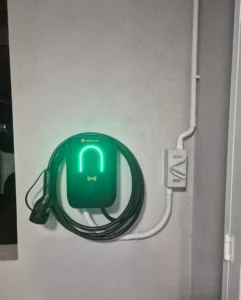
Energi Elite installs only one residential charger model — selected for thermal stability, electrical tolerance, and long-term reliability:
- IEC 62196 Type 2 standard
- CE / EN certified
- IP54 weather-resistant housing
- Built-in AC 30mA + DC 6mA protection
- Flame-retardant PC+ABS enclosure
This charger is chosen not because it is the cheapest — but because it is designed to survive years of Malaysian charging conditions.
Professional vs Cheap EV Charger Installation
| Cheap Installation | Professional Installation |
|---|---|
| Undersized wiring | Correct conductor sizing |
| Entry-level breakers | High fault-tolerance protection |
| No testing | Full commissioning and verification |
| Short-term savings | Long-term safety and reliability |
If you are charging a vehicle worth tens of thousands of ringgit every night, the installation behind the wall matters more than the charger on the wall.
Learn more about professional electric car charger installation here.
Who This Type of Installation Is For (And Who It’s Not)
This Is For You If:
- You plan to own your EV long-term
- You charge overnight regularly
- You value safety and reliability over shortcuts
This May Not Be For You If:
- You want the lowest upfront cost
- You are installing a temporary setup
- You are unwilling to upgrade protection components
Frequently Asked Questions About Electric Car Charger Installation
How long does electric car charger installation take?
Most installations take 3–6 hours, depending on wiring distance and site complexity.
Can any electrician install an EV charger?
No. EV charging requires specific protection standards and load calculations by certified ST Installers only.
Is a 7kW charger enough for home use?
Yes, for most Malaysian households charging overnight.
Why does my charger trip the breaker?
This is usually caused by undersized wiring or incorrect breaker selection.
Is EV charger fire risk real?
Yes. Most fire risks come from poor installation, not the charger itself.
Do I need three-phase power?
Only for 11kW or 22kW charging. Many homes operate safely on single-phase.
Final Thoughts: Treat EV Charging Like Infrastructure
Electric vehicles represent the future — but that future depends on safe, compliant, and professional electric car charger installation.
Speed and low price may look attractive today. Reliability, safety, and accountability protect you for years.
If you’re charging thousands of ringgit worth of vehicle every night, your EV charger installation must be treated like critical infrastructure — not a DIY project.
About the Author
This article was written by an EV charging specialist with hands-on experience in residential and light commercial electric car charger installation across Malaysia, focusing on long-term safety, compliance, and system reliability.